
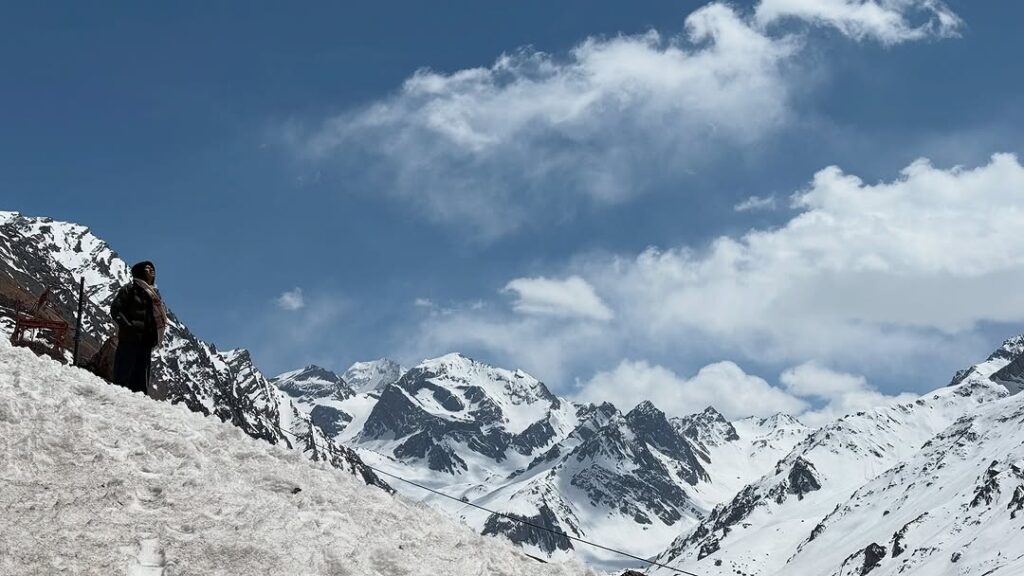
The journey to Adi Kailash and Om Parvat takes you deep into the heart of the Himalayas, where spiritual energy merges with natural wonder. Not only are these peaks revered as the home of Lord Shiva and Goddess Parvati, but they also offer a rare blend of serenity, mythology, and adventure. Moreover, these mystical sites combine spirituality, thrill, and untouched beauty in a way few places can. Whether you’re a spiritual seeker, a mountain lover, or a curious explorer, this sacred route therefore promises an experience that is both transformative and unforgettable.
What is Adi Kailash?
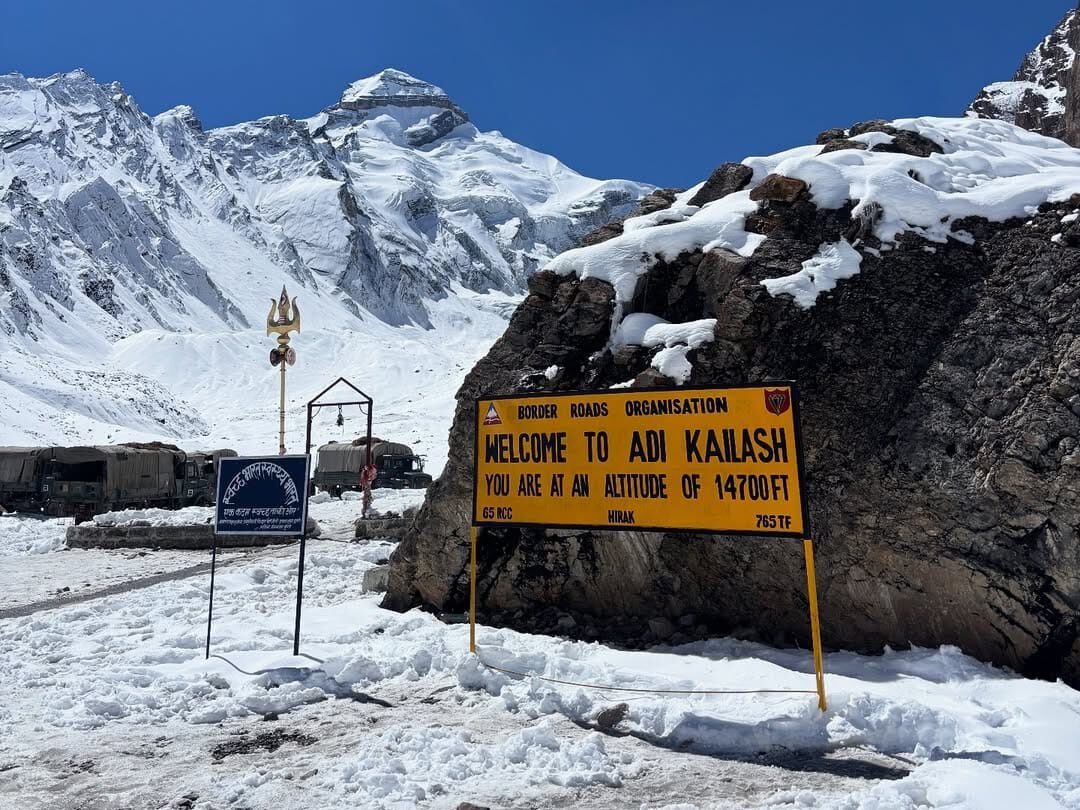
Adi Kailash, also known as Chhota Kailash, is one of the Panch Kailash—the five sacred peaks linked to Lord Shiva. Interestingly, it closely resembles Mount Kailash in Tibet, not just in shape but also in spiritual importance. According to local beliefs, Lord Shiva and Goddess Parvati stay here during the monsoon season, making it a place of deep devotion and significance.
- Altitude: ~6,191 meters (20,312 feet)
- Location: Darma Valley, near the Indo-Tibetan border in Uttarakhand
- Nearby Sacred Sites: Parvati Sarovar, Gauri Kund, Kunti Parvat, Pandav Fort, Shiv-Parvati Temple
Why Visit?
Many pilgrims visit Adi Kailash not only for its natural beauty but also for its peaceful energy and deep spiritual value. In particular, they believe that bathing in Parvati Sarovar washes away sins and brings blessings of inner peace and strength. Furthermore, this journey offers much more than just reaching a sacred place. It is, above all, about immersing yourself in the divine presence and experiencing the sacred power of the Himalayan landscape.
What is Om Parvat?
Just a few kilometers from Adi Kailash, Om Parvat stands tall, featuring a unique snow formation that naturally creates the sacred ‘ॐ’ (Om) symbol. As a result, this breathtaking sight leaves many pilgrims and travelers in awe.
- Altitude: ~6,191 meters
- Best Viewing Point: Nabhidhang, en route to Lipulekh Pass
- Spiritual Significance: The ‘ॐ’ symbol carved in snow is considered a divine sign and a natural mantra.
Spiritual Importance
According to local belief, Om Parvat gives off strong spiritual energy. For many visitors, seeing the ‘ॐ’ symbol etched into the mountain brings a deep sense of peace and a powerful connection to universal consciousness.
How to Reach Adi Kailash & Om Parvat
Reaching these sites requires multiple steps, but each leg of the journey is full of natural and cultural beauty.
✈️ By Air:
- Nearest Airport: Pantnagar (approx. 450 km from Dharchula)
- From Pantnagar, hire a taxi or take a shared vehicle to Dharchula (base town)
🚆 By Train:
- Nearest Station: Tanakpur (around 270 km from Dharchula)
- Alternate Stations: Kathgodam or Haldwani for better connectivity
🚙 By Road:
- Drive or book a taxi from Delhi, Nainital, or Almora to Dharchula
- From Dharchula, continue toward Gunji, Nabhidhang, and Jolingkong by SUV
Taxi Booking Tips
- The road from Dharchula to Gunji is rough and requires 4×4 vehicles
- Book through local tour operators, GMVN centers, or hotel desks
- Rates: ₹6,000 to ₹10,000 depending on vehicle type and passenger count
- Pro Tip: Always verify the driver’s ID and the vehicle’s border permit due to security zones
Accommodation Options
In Dharchula:
You’ll find several budget hotels and guesthouses, such as:
- Hotel King
- Hotel Himalaya
- KMVN Tourist Rest House
Along the Route:
Stay options are managed by KMVN (Kumaon Mandal Vikas Nigam) in:
- Gunji
- Nabhidhang
- Jolingkong
Book these through the KMVN website or via certified travel agents.
How to Get the Adi Kailash Yatra Permit
Since the route passes close to the Indo-Tibetan border, an Inner Line Permit (ILP) is required.
Apply Here:
- District Magistrate Office, Pithoragarh
- Online Portal: aadikailashyatra.uk.gov.in
Documents Needed:
- Valid Government-issued ID (Aadhaar/Passport)
- Passport-size photographs
- Medical fitness certificate
- Proof of Indian nationality (Foreigners are not allowed)
Note: Apply 15–20 days in advance for a smooth process.
Best Time to Visit
The Yatra generally opens from May to October. However, some months offer more comfortable weather and better conditions for travel.
- May to June: During this period, you can enjoy snow-covered peaks, lush green valleys, and mild temperatures. Moreover, the pleasant weather makes it a good time for trekking and exploring the surrounding landscapes.
- September to mid-October: Furthermore, the post-monsoon season often brings clear skies, fresh landscapes, and fewer crowds. As a result, travellers can enjoy better mountain views and a more peaceful experience.
- ⚠️ Avoid July and August: However, the monsoon season can bring heavy rainfall, landslides, slippery roads, and temporary road closures. Therefore, travelling during these months can be challenging and requires careful planning.
Overall, May to June and September to mid-October are the preferred periods for planning the Yatra, subject to weather and local road conditions.
🧭 Travel Tips for a Safe and Peaceful Yatra
- First of all, acclimatize slowly to help prevent altitude sickness and allow your body to adjust to the high altitude.
- Moreover, pack warm clothing, even during summer, as temperatures can drop quickly in the mountains.
- In addition, carry essential medicines, energy snacks, ORS, and a refillable water bottle to stay prepared throughout the journey.
- Furthermore, BSNL generally works best in many high-altitude regions, although network availability can still vary.
- Therefore, it is advisable to travel with a registered guide or trusted tour operator, especially when exploring remote Himalayan areas.
- Finally, respect local traditions and customs, and always follow eco-friendly practices to help protect the fragile Himalayan environment.